


 |
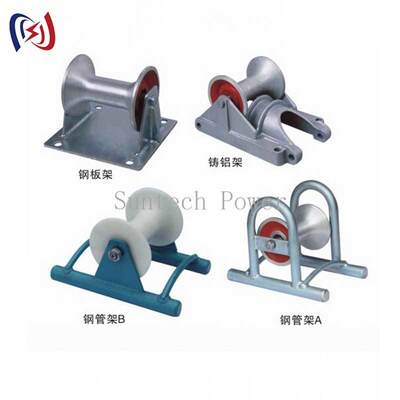
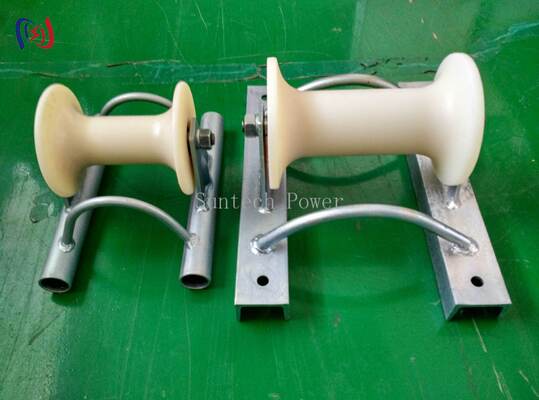
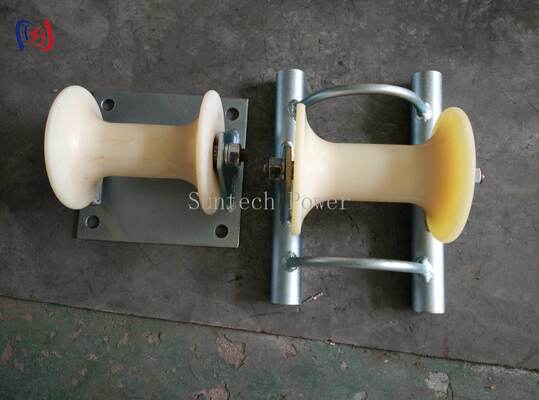
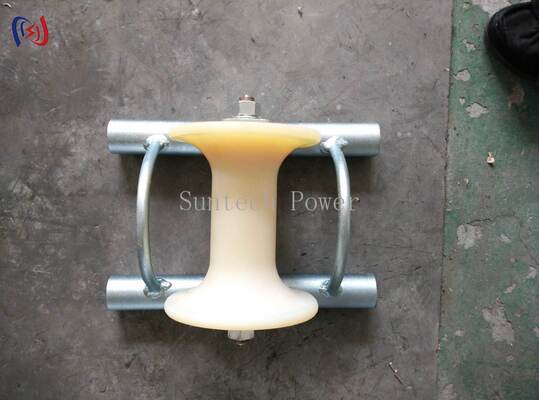
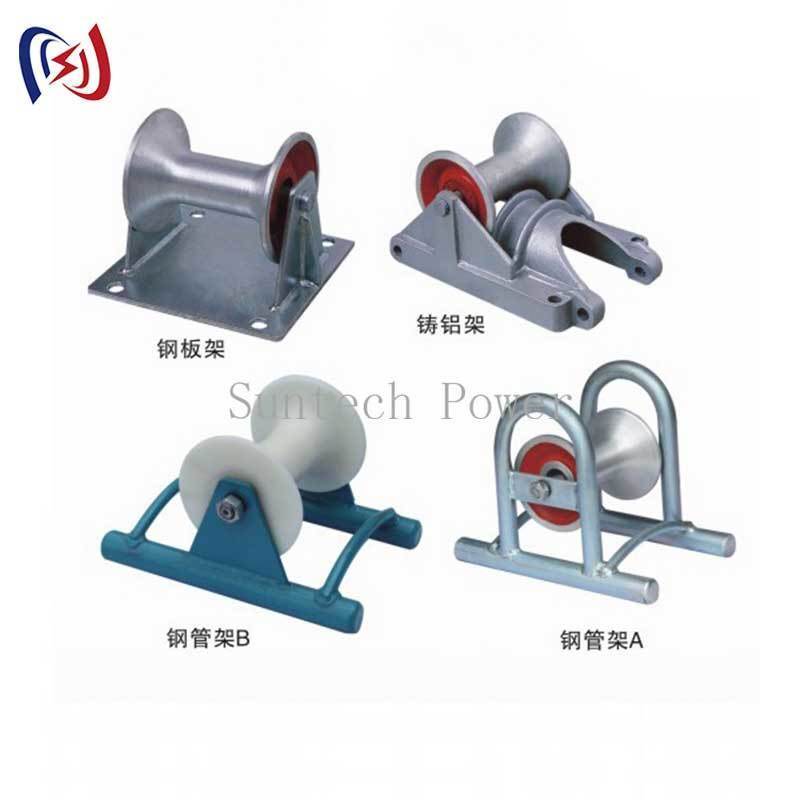
5 KN Ground Cable Roller with Casting Aluminium Carrier for 200mm Duct Pulls and Cable Roller Pulley Runways
Product Details:
| Place of Origin: | Ningbo, China |
| Brand Name: | Suntech |
| Certification: | ISO 9001 |
| Model Number: | SHL1G / SHL1GN / SHL2GN / SHL3GN |
Payment & Shipping Terms:
| Minimum Order Quantity: | 1 PCS |
|---|---|
| Price: | Negotiable |
| Packaging Details: | Plywood case with roller protection |
| Delivery Time: | 3-7 days |
| Payment Terms: | L/C,T/T |
| Supply Ability: | 3000 PCS per Month |
|
Detail Information |
|||
| Product Type: | Ground Cable Roller | Series: | SHL |
|---|---|---|---|
| Cable Diameter Range: | Under 150mm To Under 200mm | Rated Load: | 5 KN |
| Unit Weight: | 3.3 - 8.5 KG | Carrier Material: | Casting Aluminium |
| Roller: | Free Running, Bearing Mounted | Application: | Duct, Trench And Surface Cable Runway |
| Warranty: | 1 Year | ||
| Highlight: | Casting Aluminium Carrier Ground Cable Roller,5 KN Rated Load Cable Roller Pulley,200mm Duct Pulls Cable Ground Roller |
||
Product Description
Ground Cable Roller for Duct, Trench and Surface Runway Pulls
A ground roller does not reduce pulling tension by magic, it changes the contact from sliding to rolling. Cable dragged on soil or concrete runs at a friction coefficient around 0.5 to 0.8; on a properly spaced roller runway that drops to roughly 0.05 to 0.1. On a 300 metre pull that difference is the gap between finishing inside the cable's tension limit and stalling the winch halfway. This SHL series carries 5KN, accepts cable from under 150mm up to 200mm, and comes with a casting aluminium carrier in weights from 3.3kg to 8.5kg.
Model Data
| Item No. | Model | Cable Diameter (mm) | Rated Load (kN) | Carrier | Weight (kg) |
| 21191 | SHL1G | under 150 | 5 | Casting aluminium | 5.1 |
| 21192 | SHL1GN | under 150 | 5 | Casting aluminium | 3.3 |
| 21193 | SHL2GN | under 160 | 5 | Casting aluminium | 6.5 |
| 21194 | SHL3GN | under 200 | 5 | Casting aluminium | 8.5 |
Choose by cable diameter first. A 200mm cable on a 150mm roller sits on the flanges rather than in the groove, which loads the jacket edge and does more damage than no roller at all.
Spacing the Runway
Roller spacing is set by the cable stiffness and the surface, not by how many rollers the depot owns. As working numbers: 1.5 to 2 metres apart on a prepared trench floor, 2 to 3 metres on smooth concrete, and closer on rough ground or where the cable has to be lifted over an obstruction. Always place a roller at the duct mouth, at every change of direction, and on both sides of any road crossing or wall penetration. Check the cable never touches the ground between two rollers once the pull starts, because the cable will find the low point.
What the Roller Does to Pulling Tension
Pulling tension is roughly the cable weight times the friction coefficient, plus any bend and duct friction. Swapping ground contact at 0.6 for a roller runway at 0.1 removes most of the weight term, which is exactly what allows a long pull to stay inside the cable's maximum allowable tension. It does not help with duct friction inside the pipe: that needs lubricant, a correct duct entry and, for tight ducts, a swivel and a pulling eye rated for the tension.
Protecting the Jacket
The roller frame should sit so the cable enters and leaves the groove without rubbing a flange, and the roller should be free enough to turn under a light pull; a stiff roller is a sliding contact with extra weight. On corner and duct mouth positions, use the corner version of the same series so the cable is guided round the bend rather than pulled over the roller edge. Do not place a roller where the cable will cross it at an angle: rollers guide along the pull direction only.
Inspection and Service
Spin each roller before the pull and reject any that does not turn freely or shows grit in the bearing. Check the groove and flange edges for burr where a cable has ridden the flange, check the carrier casting for cracks at the axle boss, and check the frame feet for bending after a pull over uneven ground. Rollers and bearings are replaceable parts.
Packing and Supply
Packed in plywood cases with rollers protected. Stock models ship in 3 to 7 days, monthly capacity around 3000 pieces, minimum order 1 piece, OEM marking and packing marks to the buyer drawing.
Frequently Asked Questions
Can one roller take 250mm cable? No, the largest model in the series is rated for 200mm; a larger carrier is made to order.
Is a nylon roller version available? Yes, nylon rollers are supplied where the jacket must not be marked.
How many rollers do I need for a 300m trench? Roughly 150 to 200 at 1.5 to 2m spacing, plus corner and duct mouth units; send us the route and we will mark up a layout.

Want to Know more details about this product