


 |
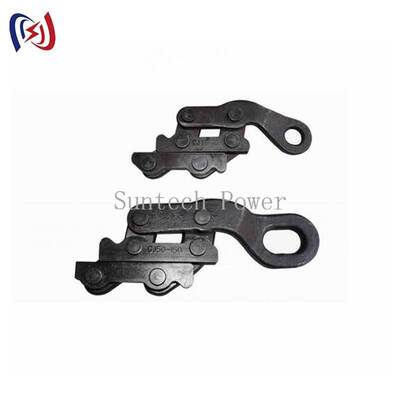
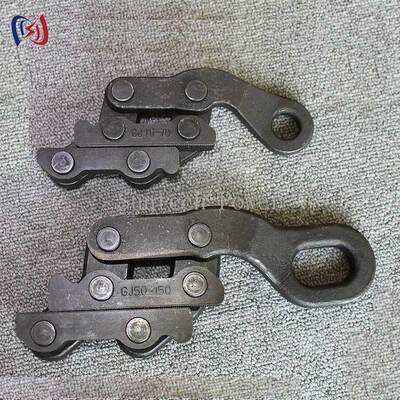
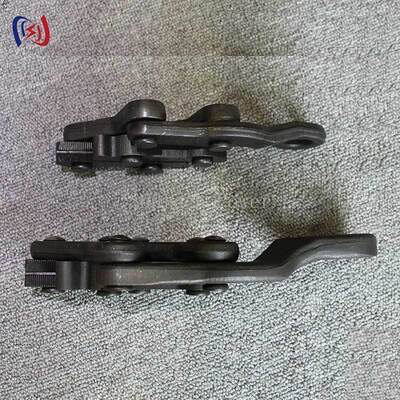
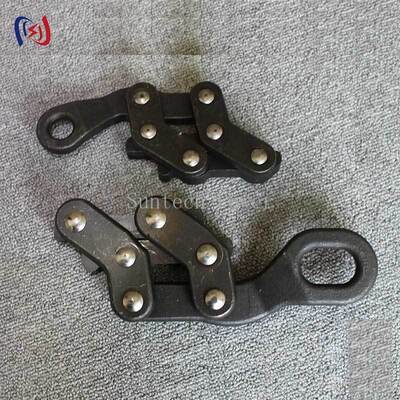
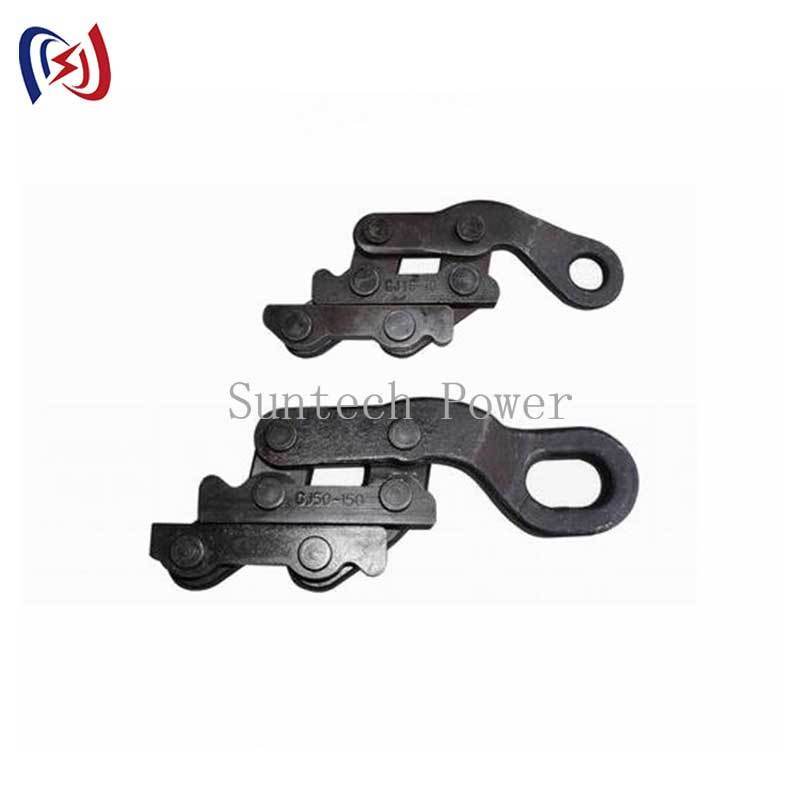
30KN Rated Load 26mm Max Open Dual Chamber Parallel Earth Wire Gripper Come Along Clamp for GJ150-300 Steel Strand
Product Details:
| Place of Origin: | Ningbo, China |
| Brand Name: | Suntech |
| Certification: | ISO |
| Model Number: | SKDP-3 |
Payment & Shipping Terms:
| Minimum Order Quantity: | 1 PCS |
|---|---|
| Price: | Negotiable |
| Packaging Details: | Plywood case, one unit per compartment |
| Delivery Time: | 3-7 days for stock orders |
| Payment Terms: | L/C,T/T |
| Supply Ability: | 3000 PCS per Month |
|
Detail Information |
|||
| Item No.: | 13121-13123 | Series: | SKDP Parallel Earth Wire Gripper |
|---|---|---|---|
| Models: | SKDP-1, SKDP-2, SKDP-3 | Applicable Steel Strand: | GJ16-70 To GJ150-300 |
| Rated Load: | 10-30KN | Max Open: | 13-26mm |
| Weight Range: | 1.2-3.8KG | Warranty: | 1 Year |
| Highlight: | 30KN Rated Load Earth Wire Gripper,26mm Max Open Come Along Clamp,Dual Chamber Parallel Earth Wire Gripper |
||
Product Description
Two wires, one tension
Parallel earth wire systems only behave as designed when both wires carry the same load. Terminate them one after the other with separate clamps and the pair almost never ends up evenly tensioned: one wire sags slightly more, the support structure sees an unbalanced pull, and the pair starts to oscillate out of phase in wind. The SKDP gripper holds both wires in one body with two aligned gripping chambers, so a single pull develops the same tension in each.
Three sizes cover steel strand from GJ16-70 up to GJ150-300, with rated loads of 10KN, 20KN and 30KN and maximum openings of 13mm, 18mm and 26mm. Body weight runs from 1.2KG to 3.8KG, so the clamp stays manageable at height.
Model table
| Item No. | Model | Applicable Steel Strand | Rated Load | Max Open | Weight |
|---|---|---|---|---|---|
| 13121 | SKDP-1 | GJ16-70 | 10KN | 13mm | 1.2KG |
| 13122 | SKDP-2 | GJ50-150 | 20KN | 18mm | 2.0KG |
| 13123 | SKDP-3 | GJ150-300 | 30KN | 26mm | 3.8KG |
Selection notes
- Both wires must fall in the same strand class for the clamp to hold them evenly. A mixed pair defeats the purpose of a single body.
- Check the max open against the actual strand diameter and leave margin rather than ordering at the limit.
- Confirm the spacing the design requires between the two wires, since the chamber centres are fixed by the body.
- For OPGW pairs, confirm the outer diameter and the strength member arrangement before ordering.
Installing the pair
Feed both wires into their chambers to the same depth, using the body face as the reference, then close and take up slack evenly. If one wire seats deeper than the other the clamp will still grip but the pair leaves the structure at a slight angle. Tension slowly and watch the two wires together: the moment they stop moving as a pair, stop and reseat, because correcting tension after the line is up means releasing both.
Checks before dispatch
- Both chambers checked for alignment and for jaw wear.
- Linkage and lock checked under no load.
- Strand class and rated load verified against the item number.
- Plywood case packing, 3000 PCS per month capacity, 1 PCS minimum.
Data scope
The item numbers, strand classes, rated loads, openings and weights above come from the current SKDP datasheet. This page does not claim a vibration damping performance figure, does not assert suitability for conductors of a different class, and does not name a certification beyond the ISO entry in the attribute table. Where a specification calls for a paired tension test report, request it with the enquiry.
Buyer questions
Why not two standard clamps?
Two clamps can develop two different tensions. One body with two chambers loads both wires through the same link, which is the point of the design.
Does it suit OPGW as well as earth wire?
The clamp is specified for parallel earth wire and OPGW pairs. Confirm the outer diameter and strand construction with the enquiry for OPGW.
What is the largest strand size?
GJ150-300 on the SKDP-3, with a 26mm maximum open and a 30KN rated load.
Trade terms?
1 PCS minimum order, L/C or T/T, 3-7 days for stock.
